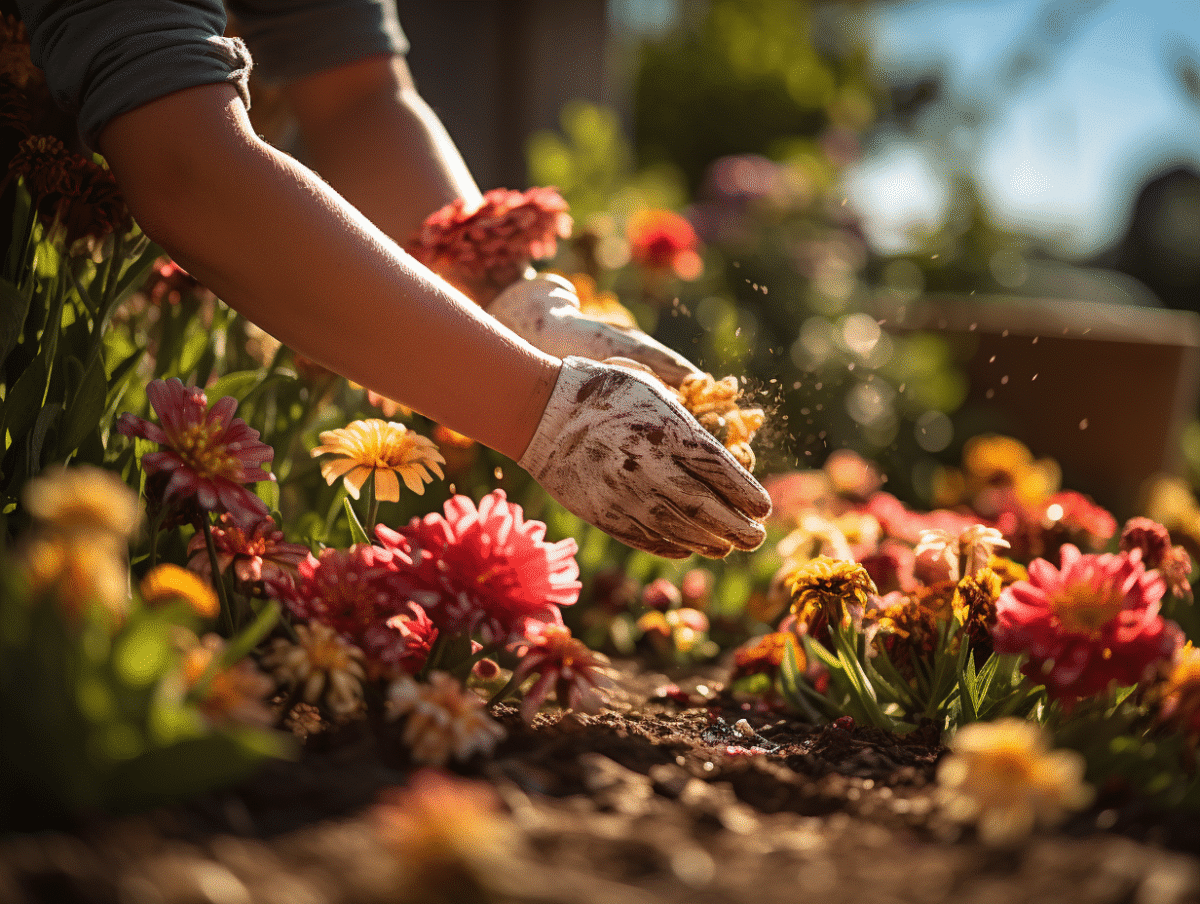
As the beautiful days approach, amateur gardeners and horticulture enthusiasts feel the call of the earth and the desire to see colorful gardens bloom. Growing seasonal flowers is not just about beautification; it is an asset for biodiversity and personal well-being. Choosing the right time to plant is crucial to ensure optimal blooming. This involves knowing the life cycles and specific needs of each species. The care provided after planting is equally important to guarantee the health and beauty of these plants.
Planting Calendar: The Best Times for Flowers of Each Season
October marks the beginning of a key period for gardeners wishing to see their flowerbeds bloom as early as the first days of spring. Indeed, tulip bulbs need to be planted in the fall, specifically between October and November. A depth of 15 centimeters is recommended to protect them from the winter cold while promoting optimal rooting. Thus, find the balance between protection and development for these vibrant beauties of spring.
Crocuses, with their palette of bright colors, also call for autumn planting. From September to December, this is the window of opportunity for these early harbingers of spring renewal. A shallow depth of 5 centimeters is sufficient for these little gems, allowing for quick emergence as soon as the first warm spells arrive. Visit ‘Tout-pour-le-jardin.com’ for more tips on planting these perennials.
For lovers of intoxicating scents, the hyacinth is a must. Planting in October, at a depth of 10 centimeters, ensures these bulbs a winter conducive to developing strong roots. In spring, their floral clusters will delightfully scent your gardens and terraces. The hyacinth requires special attention to reveal all its splendor.
The planting of autumn flowers is a decisive step for the success of your garden. Consider the specifics of each variety and adapt your planting techniques. Depth, timing, and soil preparation are essential factors for blooming. Follow these tips, and the tulips, crocuses, and hyacinths will reward you with their abundant and colorful blooms as the beautiful days return.
Practical Tips for Flower Care According to Their Seasonality
Once the seasonal flowers are planted, maintenance becomes the key focus. For tulips, crocuses, and hyacinths, moderate watering is essential. Each variety requires special attention: too much water promotes bulb rot, while soil that is too dry can compromise their blooming. Therefore, adjust watering based on the climate and the soil’s water retention capacity. Drainage must be effective, thus avoiding water stagnation around the roots, which is detrimental during freezing periods.
Regarding cold protection, mulching is your ally. This technique involves covering the soil with a layer of organic material, such as compost or fallen leaves, to insulate the bulbs from winter’s harshness. Mulching also helps maintain soil moisture and enriches it with organic matter as it decomposes. Be careful to avoid excess water before freezing periods to prevent bulb bursting.
Monitoring is essential to detect any signs of disease or pest infestation. Treat promptly with products suitable for each situation, always favoring environmentally friendly solutions. By following these maintenance tips, you will ensure your seasonal flowers vigorous growth and spectacular blooming when spring arrives.