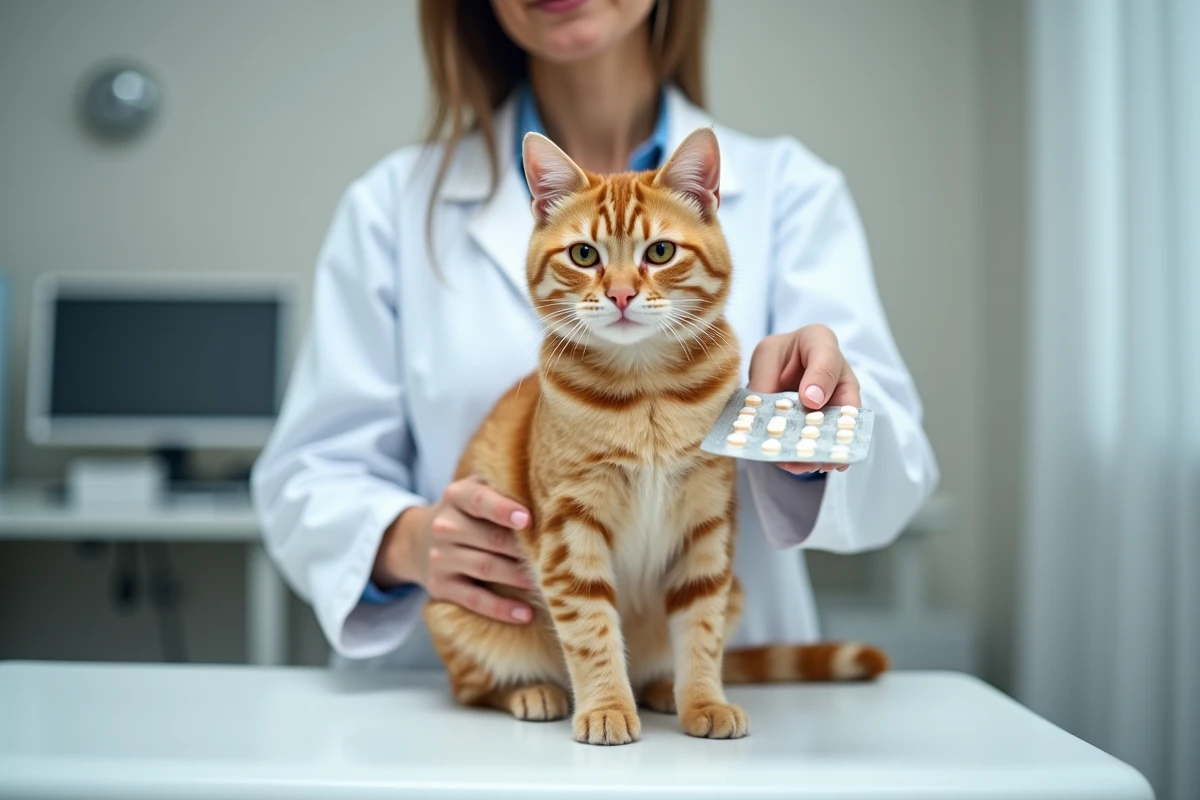
Clavaseptin is a veterinary antibiotic prescribed for cats to treat several types of bacterial infections. Manufactured by Vetoquinol, this medication combines two active ingredients, amoxicillin and clavulanic acid, to broaden its action against bacteria resistant to conventional penicillins. Its use falls within an increasingly strict regulatory framework, driven by recommendations for responsible antibiotic therapy.
Clavaseptin and Antibiotic Resistance: Why Prescriptions Are Evolving
The amoxicillin-clavulanic acid combination is not a trivial antibiotic. Clavulanic acid inhibits certain beta-lactamases produced by resistant bacteria, allowing amoxicillin to regain its effectiveness. This mechanism makes it a powerful tool, but this power poses a collective problem.
Organizations like the ANMV (Anses) and the European Medicines Agency have been advocating for several years to reduce prescriptions of amoxicillin-clavulanic acid in favor of more targeted alternatives when possible. The goal is to limit the progression of antibiotic resistance, a phenomenon that affects both veterinary and human medicine.
In practice, veterinarians are encouraged to reserve Clavaseptin for documented or strongly suspected infections caused by bacteria sensitive to this combination. The “default” use for any suspected infection in cats is tending to decline. An antibiogram, performed from a sample, allows for precise identification of the bacteria involved and verification of its sensitivity. This step, once reserved for complex cases, is becoming more common in veterinary clinics.
To explore the uses and precautions related to this medication, a detailed file on Clavaseptin on Animal Time presents different dosages and indications by type of feline infection.
Cat Infections Treated with Clavaseptin: Beyond the Official List
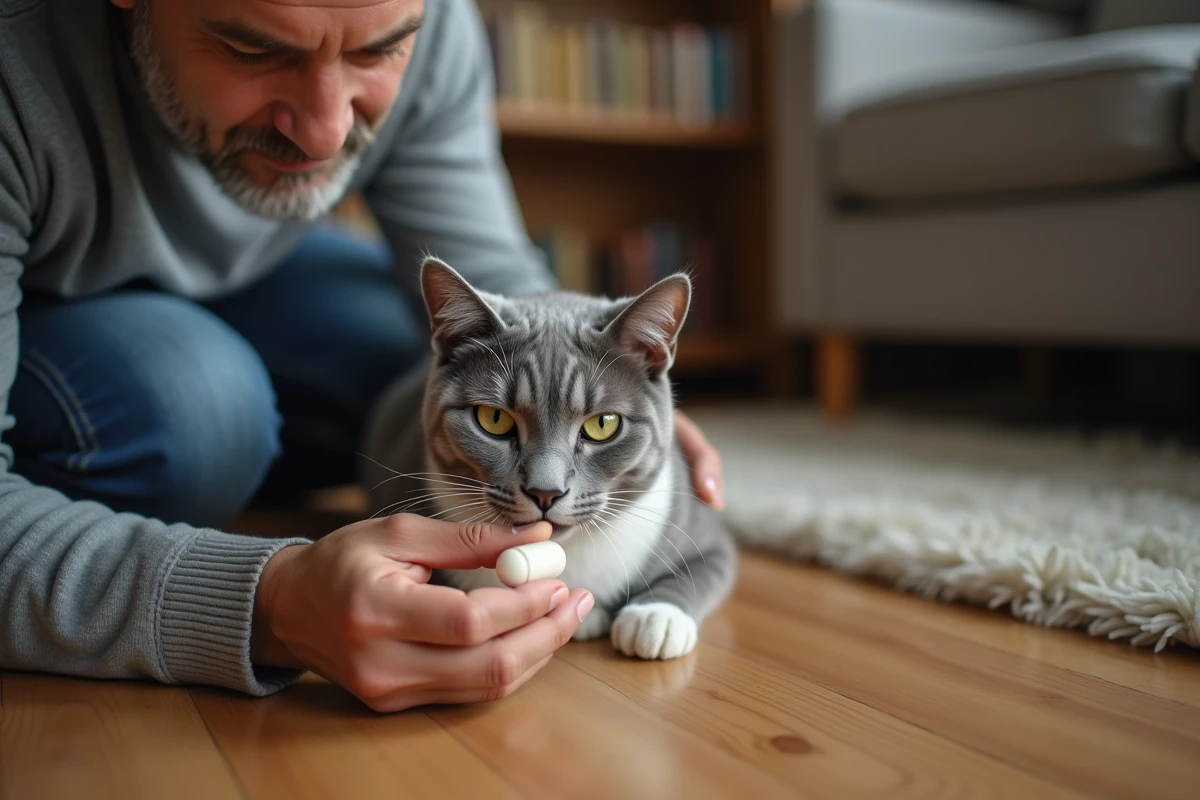
The labels mention periodontal infections as the main indication in cats. The 50 mg tablets, containing 40 mg of amoxicillin and 10 mg of clavulanic acid, are the most frequently used for felines due to their low body weight.
Veterinarians also prescribe Clavaseptin for other types of bacterial infections: skin infections (pyodermas), urinary infections, or upper respiratory infections. The choice of dosage and treatment duration depends on the infected site and the severity of the clinical picture.
A point rarely addressed in public content concerns the distinction between curative treatment and probabilistic treatment. In the first case, the veterinarian has an antibiogram result confirming the sensitivity of the bacteria. In the second, they prescribe based on their clinical experience and the bacteria most likely involved. Current recommendations favor curative treatment whenever possible, although field reports vary on the systematic feasibility of this approach in everyday practice.
Effects of Clavaseptin on the Cat’s Gut Microbiota
Vomiting and diarrhea are among the side effects listed in the Clavaseptin leaflet. These mentions, often read quickly, mask a deeper phenomenon.
Penicillins combined with clavulanic acid significantly disrupt the cat’s gut microbiota. This dysbiosis, or imbalance of the digestive flora, can lead to prolonged diarrhea or colitis, especially during repeated courses or long treatments.
Recent veterinary literature highlights the interest in probiotics administered during or after treatment to limit these disturbances. This practice, still little promoted in content aimed at cat owners, is gaining traction in clinics. The choice of probiotic (strains, dosage, duration of administration) remains at the discretion of the treating veterinarian, as available data do not allow for a universal protocol recommendation.
Digestive Signs to Monitor During Treatment
- Diarrhea persisting beyond two days after the start of treatment, which may indicate marked dysbiosis requiring therapeutic adjustment
- Repeated vomiting within an hour after taking the tablet, which may compromise the absorption of the medication
- Prolonged loss of appetite or food refusal, sometimes confused with the progression of the infection itself
If any of these signs appear, contacting the veterinarian before modifying or stopping the treatment remains the only reliable course of action.
Administering Clavaseptin to Cats: Practical Constraints
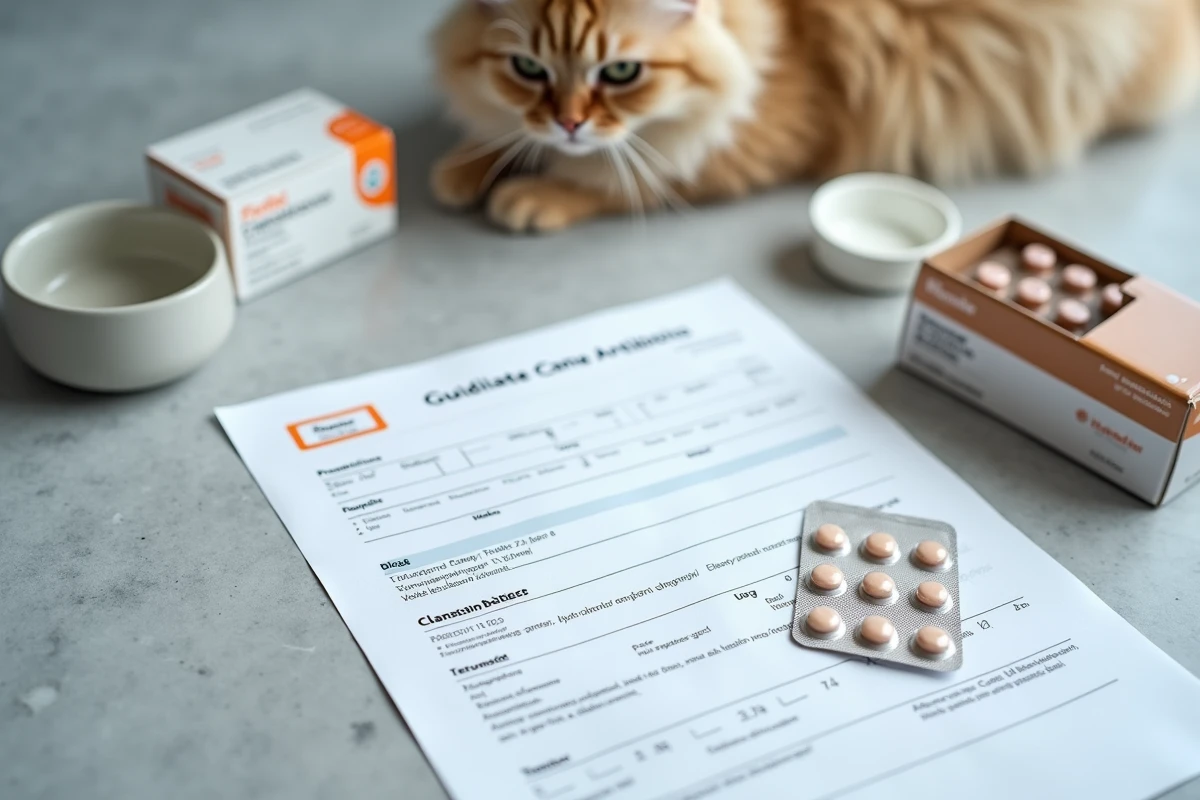
Clavaseptin comes in the form of divisible tablets. In cats, the dosage is based on the animal’s weight, with a dosage generally calculated based on the ratio of amoxicillin to clavulanic acid per kilogram of body weight.
The tablets can be administered with or without food. Mixing them with a small amount of palatable food facilitates intake, especially in reluctant cats. Crushing the tablet and dispersing it in a large amount of food is, however, not recommended: if the cat does not finish its bowl, the absorbed dose becomes uncertain.
Treatment Duration and Premature Cessation
Stopping an antibiotic treatment before its completion is a recognized factor in the selection of resistant bacteria. Even if symptoms improve after a few days, the duration prescribed by the veterinarian must be fully respected. An apparent clinical recovery does not mean that the bacterial infection is resolved.
Treatment durations vary depending on the type of infection. Skin infections often require longer courses than urinary infections. The veterinarian adjusts this duration on a case-by-case basis, sometimes monitoring progress through an intermediate clinical examination.
Contraindications and Drug Interactions of Clavaseptin in Cats
Clavaseptin is contraindicated in animals with a known hypersensitivity to penicillins or cephalosporins. This allergy, although rare in cats, can manifest as skin reactions, facial swelling, or, in the most severe cases, anaphylactic shock.
Use in pregnant or nursing queens requires a benefit-risk assessment by the veterinarian. Available data do not allow for definitive conclusions regarding safety in these situations.
- Do not combine Clavaseptin with other bacteriostatic antibiotics without veterinary advice, as the interaction may reduce the effectiveness of the treatment
- Report any ongoing treatments (anti-inflammatories, antiparasitics) during the consultation to avoid interactions
- Store the tablets at room temperature, away from moisture, and check the expiration date before each administration
Clavaseptin remains an effective veterinary antibiotic for treating several bacterial infections in cats, provided its prescription is based on an accurate diagnosis. The evolution of recommendations regarding responsible antibiotic therapy places this medication within a more demanding framework of use than a few years ago, benefiting both the treated animal and the collective fight against antibiotic resistance.