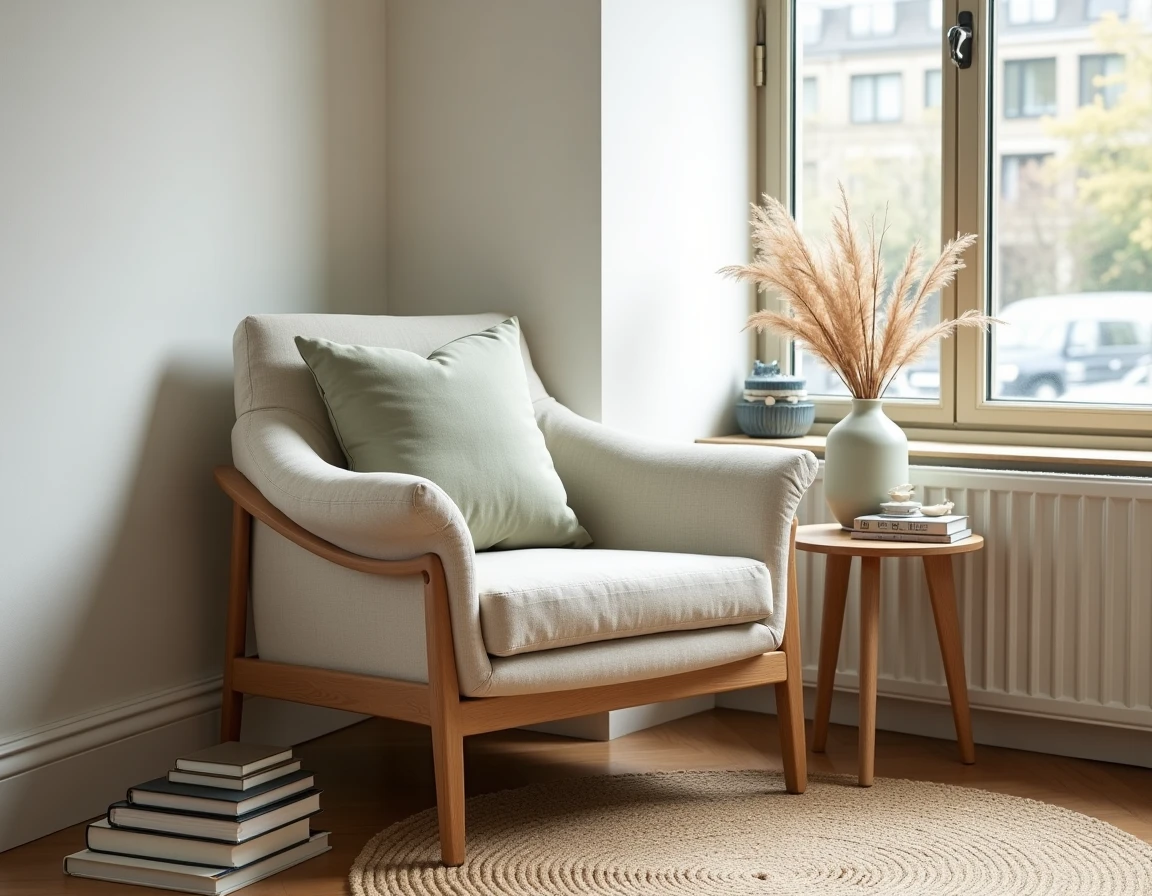
The interior decoration market is undergoing a period of restructuring. Generalist catalogs are losing ground to more targeted approaches, where the choice of a material, a palette, or a piece of furniture meets specific criteria: ecological footprint, impact on well-being, compatibility with a real lifestyle. Behind the “trendy” labels, practices are evolving towards more documented logics, sometimes borrowed from neuroscience or circular economy.
Biophilic design and neuro-architecture: what research changes in interior decoration
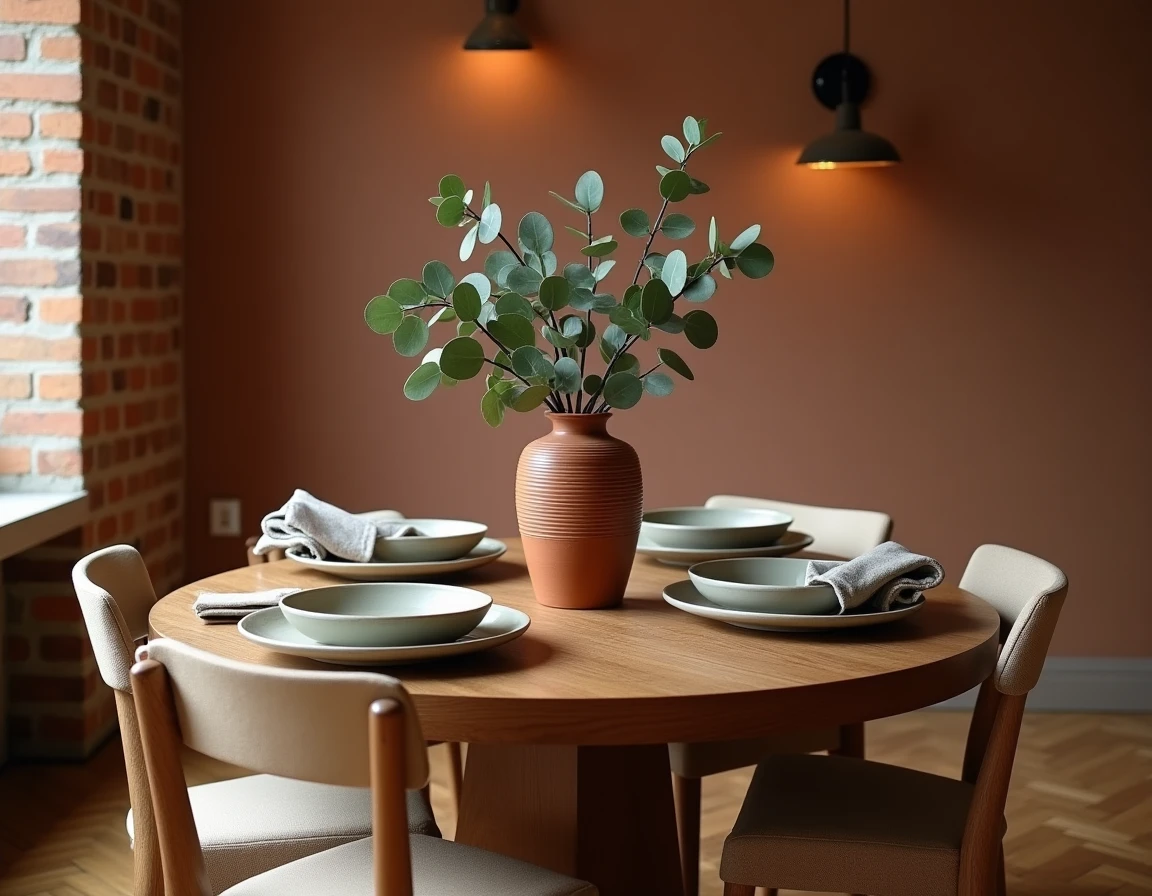
The term “biophilic” has been circulating for several years in design and architecture magazines. Its principle is simple: to integrate natural elements (plants, natural light, raw materials) into an interior space to produce a measurable effect on its occupants.
Recent work in neuro-architecture, reported in specialized press since 2022, shows that certain combinations of soft colors, rounded shapes, and natural materials reduce perceived stress and improve concentration. The approach is no longer limited to high-end hotels. It now applies to the living room, bedroom, or reading nook of a standard home.
Specifically, a “regenerative” decoration project relies on a precise set of specifications:
- A limited color palette, often two to three shades, that reduces visual stimuli instead of multiplying them
- A real plant presence (not just decorative) with plants chosen for their adaptation to the room’s brightness
- Modular lighting, favoring soft light at the end of the day rather than a single ceiling fixture
- Furniture with rounded lines, which softens the visual rigidity of a rectangular space
Field feedback varies on the extent of the effect felt depending on individuals and configurations. Nevertheless, the approach remains a useful framework for those looking to think about their interior beyond just aesthetic aspects.
Second-hand and slow decoration: a structured market for furniture and decor
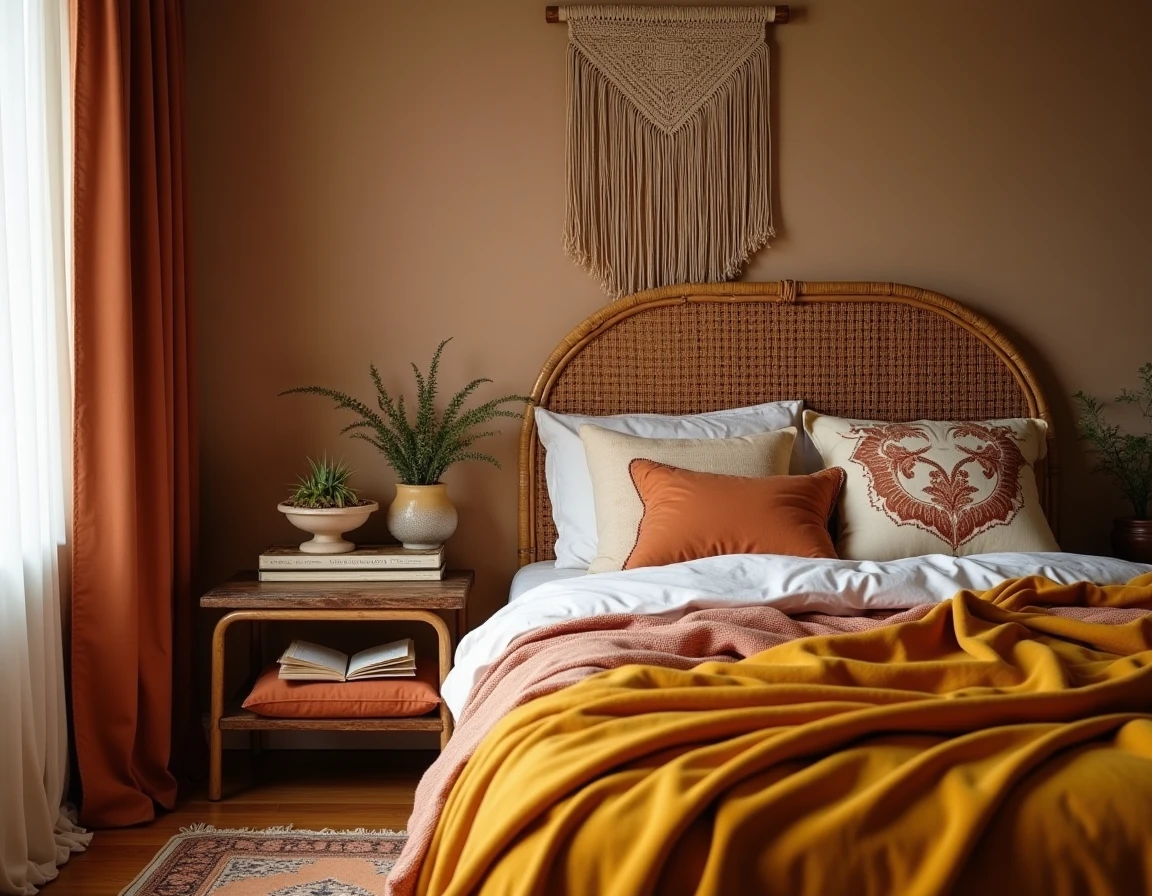
Second-hand decoration has changed its status. What used to be associated with DIY and recovery is now organized around specialized platforms like Selency or Label Emmaüs, with systems for guarantees, delivery, and curation. Exploring the decor universe of Direct Maison also allows you to spot pieces that easily combine with vintage furniture, without breaking the style.
Decorators now offer services dedicated to selecting refurbished vintage pieces, with billing and follow-up. This professionalization transforms second-hand into a credible option for complete decoration projects, not just for isolated objects.
The resulting “slow decoration” is based on one principle: buy less, choose better, keep longer. A restored solid wood piece replaces a new entry-level piece without loss of perceived quality, and often with a gain in durability.
Wall paint and natural materials: choices that structure a space
Paint remains the most accessible lever to transform a room. Earthy tones (clay, ochre, sage green) dominate current palettes, in line with the search for natural materials and calming atmospheres. In contrast, saturated accent walls (midnight blue, intense terracotta) may not suit all configurations: in a narrow or dimly lit living room, they can weigh down the space instead of enhancing it.
Wood, linen, and natural stone form the trio of the most requested materials in interior decoration in recent seasons. Their common point: a visible texture, an embraced aging, and compatibility with most styles, from Scandinavian to contemporary.
The choice of wall paint or wall covering in natural material (lime plaster, non-woven wallpaper made from plant fibers) has a direct impact on the perception of a space. A textured finish captures light differently depending on the time of day, creating a visual variation that a smooth, uniform wall does not produce.
Multifunctional furniture and modularity: adapting the living room to real uses
The trend of modular furniture is not just an aesthetic whim. It responds to a concrete constraint: the average surface area of homes in urban areas of France tends to decrease, necessitating a rethink of the layout of each room.
A modular sofa, an extendable table, a wall storage unit that doubles as a desk: multifunctional furniture transforms a single living room into several distinct spaces. This type of product can be found both with design publishers and in mainstream stores.
The common pitfall is to accumulate “smart” furniture without overall coherence. An overloaded space with modular solutions loses readability. The rule that professionals often suggest: limit the number of furniture pieces in a living room to what is actually used each week, and leave some empty space.
A well-thought-out interior leaves free space rather than filling every square meter. This idea, simple in theory, remains the most challenging to apply in the face of the overwhelming offer of decor products.
Interior decoration in 2025 reads less like a succession of trends than as a balance between real comfort, the durability of choices, and visual coherence. The available data does not allow for predicting which trends will establish themselves durably, but the convergence between natural materials, circular economy, and well-being-based design outlines a foundation that goes beyond mere seasonal effects.